Capture Construction Progress from Above
- Dylan

- Jul 8, 2025
- 5 min read
Updated: Jul 19, 2025
In the world of construction, keeping track of progress is crucial. Whether you are a project manager, a contractor, or a stakeholder, understanding how a project evolves over time can help you make informed decisions. One of the most effective ways to capture this progress is from above. Aerial photography and drone technology have transformed how we document construction sites. In this post, we will explore the benefits of capturing construction progress from above, the technology involved, and practical tips for getting the best results.
The Importance of Aerial Photography in Construction
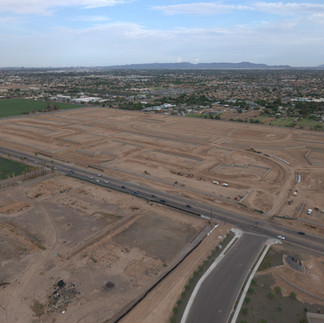
Aerial photography provides a unique perspective that ground-level images simply cannot match. It allows you to see the entire site, giving you a comprehensive view of the project. This is especially useful for large construction sites where details can easily be missed from the ground.
Benefits of Aerial Photography
Comprehensive Overview: Aerial images provide a bird's-eye view of the entire site. This helps in understanding the layout and how different elements fit together.
Progress Tracking: Regular aerial shots can show how much work has been completed over time. This is valuable for reporting to stakeholders and for internal assessments.
Enhanced Communication: Aerial images can help communicate progress to clients and team members. Visuals often convey information more effectively than words.
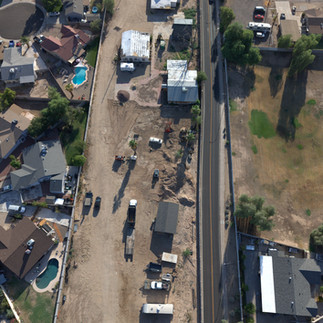
Identifying Issues: Aerial views can help spot potential problems early. For example, if materials are not stored correctly or if there are safety hazards, these can be identified from above.
Marketing and Promotion: High-quality aerial images can be used for marketing purposes. They can showcase the scale and quality of your work to potential clients.
The Technology Behind Aerial Photography
The technology used for capturing aerial images has advanced significantly in recent years. Drones have become the go-to tool for many construction professionals. They are relatively affordable, easy to operate, and can capture high-resolution images.
Drones vs. Traditional Aerial Photography
Drones: Drones are versatile and can be flown at various altitudes. They can capture both photos and videos, providing a dynamic view of the construction site. Drones are also capable of capturing images in real-time, which is beneficial for immediate assessments.
Traditional Aerial Photography: This method typically involves hiring a helicopter or plane. While it can provide stunning images, it is often more expensive and less flexible than using drones.
Choosing the Right Drone
When selecting a drone for construction photography, consider the following factors:
Camera Quality: Look for drones with high-resolution cameras. This ensures that your images are clear and detailed.
Flight Time: Longer flight times allow for more extensive coverage of the site without needing to recharge.
Ease of Use: Some drones come with user-friendly interfaces and automated flight paths, making them easier for beginners.
Regulations: Ensure that you are aware of local regulations regarding drone usage. Some areas may have restrictions on where and when you can fly.
Practical Tips for Capturing Construction Progress
To get the best results from your aerial photography, follow these practical tips:
Plan Your Shots
Before flying your drone, plan the shots you want to capture. Consider the following:
Key Milestones: Identify important milestones in the construction process. Capture images at these points to document progress.
Different Angles: Take photos from various angles and heights. This will provide a more comprehensive view of the site.
Time of Day: Lighting can significantly affect the quality of your images. Early morning or late afternoon often provides the best natural light.
Use a Stable Platform
Ensure that your drone is stable during flight. Windy conditions can lead to blurry images. If possible, choose a calm day for your aerial photography.
Capture Video Footage
In addition to still images, consider capturing video footage. Aerial videos can provide a dynamic view of the construction site and highlight changes over time.
Regular Updates
Make it a habit to capture aerial images regularly. This will create a visual timeline of the project and help you track progress effectively.
Edit Your Images
After capturing your images, take the time to edit them. Basic editing can enhance the quality of your photos. Adjusting brightness, contrast, and sharpness can make a significant difference.
Real-World Examples of Aerial Photography in Construction
Many construction companies have successfully used aerial photography to enhance their projects. Here are a few examples:
Example 1: Large Commercial Development
A construction company working on a large commercial development used drones to capture progress every month. They created a visual timeline that showcased the project's evolution. This not only helped in internal assessments but also impressed stakeholders during presentations.
Example 2: Infrastructure Projects
For infrastructure projects, such as bridges or highways, aerial photography provided a clear view of the work being done. The project managers used these images to identify areas that needed attention and to communicate effectively with the public about progress.
Example 3: Residential Developments
A residential developer used aerial images to market new homes. By showcasing the entire community from above, they attracted more buyers and provided potential clients with a better understanding of the layout.
Challenges and Considerations
While aerial photography offers many benefits, there are challenges to consider:
Weather Conditions
Weather can impact your ability to capture images. Rain, snow, or high winds can hinder drone flights. Always check the forecast before planning your aerial photography sessions.
Privacy Concerns
Be mindful of privacy issues when flying drones. Ensure that you are not infringing on the privacy of nearby properties. It is essential to follow local regulations regarding drone usage.
Technical Skills
Operating a drone requires some technical skills. If you are new to drone flying, consider taking a course or practicing in open areas before capturing images of your construction site.
The Future of Aerial Photography in Construction
As technology continues to evolve, the future of aerial photography in construction looks promising. Innovations in drone technology, such as improved battery life and advanced imaging capabilities, will enhance the quality and efficiency of aerial photography.
Integration with Other Technologies
Aerial photography can be integrated with other technologies, such as Building Information Modeling (BIM). This combination can provide even more detailed insights into construction progress and help in planning future projects.
Increased Accessibility
As drones become more affordable and user-friendly, more construction professionals will have access to aerial photography. This will lead to a broader adoption of aerial imaging in the industry.
Wrapping Up the Skyward Perspective
Capturing construction progress from above is not just a trend; it is a valuable tool that can enhance project management and communication. Aerial photography provides a unique perspective that helps stakeholders understand the project's evolution. With the right technology and techniques, you can document your construction site effectively and efficiently.
Embrace the power of aerial photography and take your construction projects to new heights. Whether you are tracking progress, identifying issues, or marketing your work, the sky is the limit when it comes to capturing the essence of your construction journey.





Comments